
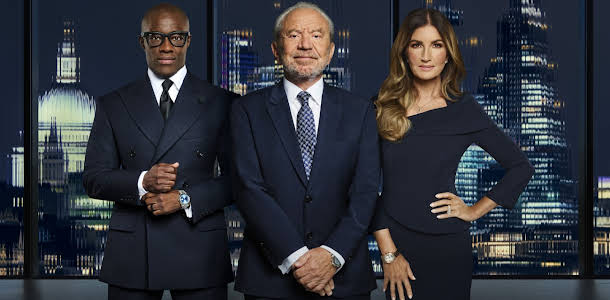


The BBC has officially scrapped the lavish, big-budget reward trips traditionally given to winning teams on The Apprentice.
For years, candidates who triumphed in the weekly tasks enjoyed luxury getaways to destinations like Saint Lucia, Dubai, or New York.
However, show bosses recently decided to cut these expensive perks as the broadcaster grapples with significant licence fee funding gaps and a wider drive for efficiency.
 Caroline Peaty Speaks Out on Ongoing Family Feud Following Adam Peaty’s Emotional TV Interview
Instead of jetting off on private planes to exotic locations, winning contestants will now receive more modest, UK-based rewards.
These "treats" likely include activities such as high-end dinners in London, professional masterclasses, or local spa days.
Sources suggest that Lord Sugar and the production team want to ensure the show remains sustainable while still acknowledging the hard work of the candidates.
 Michelle Keegan Unveils Copper Hair Transformation Alongside Co-Star Douglas Booth
While the tasks themselves will still feature international travel when necessary for business, the post-task celebrations will stay much closer to home.
Lord Sugar continues to lead the search for his next business partner, but the visual style of the victory scenes will look notably different this season.
 Amy Dowden Reflects on Physical Toll of Cancer Treatments and Medically Induced Menopause
The move follows similar cost-cutting measures across other major BBC programs as the corporation tries to manage a flat licence fee settlement.
Despite the lack of five-star foreign holidays, producers insist that the competitive spirit of the show remains intact.
They believe that a "local treat" still provides a valuable break from the high-pressure environment of the boardroom.
 Lily Ludovici Gray Announces Engagement with Proposal Video in Ibiza
Some fans have expressed disappointment over the news, noting that the extravagant rewards were a staple of the show's "aspirational" brand.
However, industry insiders argue that the change reflects a more modern and fiscally responsible approach to reality television.
As the BBC continues to navigate financial pressures, The Apprentice must adapt to ensure it stays on the air for future seasons.
 Harry Styles Delivers Emotional Tribute to One Direction and Liam Payne’s Parents
Lord Sugar remains focused on the business potential of the candidates, reminding them that the real prize is the £250,000 investment rather than a temporary vacation.
28 July 2026 - 10:04 AM
28 July 2026 - 9:40 AM
5 July 2026 - 8:07 PM
5 July 2026 - 5:36 PM
5 July 2026 - 5:44 AM


